
Context before choices
African Safari Destinations: Countries, Regions & Safari Experiences
Africa isn’t one safari, it’s hundreds of very different experiences shaped by geography, wildlife, seasons and safari style. This page is designed to help you understand how Africa’s safari destinations actually differ, from countries and iconic regions to the types of experiences they offer. Instead of ranking places or selling itineraries, we focus on context, trade-offs and fit — so you can decide what kind of safari makes sense for you before choosing where to go.
Southern Africa
Southern Africa’s safari circuit spans Botswana, Namibia, Zimbabwe, Zambia and South Africa. Here you’ll find everything from the wetland labyrinth of the Okavango to the dunes of the Namib and the sprawling savannahs of Kruger. Many of these parks are remote and require small‑plane hops or long drives, so trips tend to be more exclusive and logistics‑heavy.

Kalahari Desert
Botswana / Namibia / South Africa
If you crave solitude and endless horizons, the Kalahari’s red dunes and thornveld deliver just that. Spanning roughly 900 000 km² across Botswana, Namibia and South Africa, this semi‑arid savanna offers big skies, star‑studying nights and encounters with desert‑adapted wildlife.
You won’t see the dense game of savanna parks here, but the trade‑off is space, silence and the thrill of tracking species like black‑maned lions and meerkats in a landscape few travellers ever explore.
Okavango Delta
Botswana
For a water-based safari unlike any other, head to the Okavango. Each year, seasonal rains from Angola flood northern Botswana and transform the Kalahari sands into one of the world's largest wetlands. The result is a landscape that shifts with the water, greenest and most dramatic when much of the surrounding region is dry.
Pole silently through papyrus channels in a mokoro while elephants wallow and fish eagles call, or explore remote islands on foot and by boat. Access is by small plane, and costs run higher than most safari regions. What you pay for is exclusivity, low visitor numbers, and a deeper sense of immersion in Africa's aquatic wilderness. If you are choosing where to stay, our guide to the best luxury lodges in the Okavango Delta compares the standout camps by area and price.


Sabi Sands Game Reserve
Southern Africa – South Africa (Greater Kruger)
Sabi Sands is for travellers who prioritise intimate game drives and big-cat sightings over self-drive freedom. This private reserve forms part of the Greater Kruger ecosystem but sets its own rules and guiding standards. It is best known for its leopards. Decades of conservation have left these normally elusive cats unusually relaxed around vehicles, which is why Sabi Sands has a reputation few reserves in Africa can match.
Lodges limit the number of vehicles at a sighting to protect the experience, and the permanent water of the Sabi and Sand rivers supports one of South Africa's most biodiverse areas. You pay more than you would in Kruger's public camps. In return, you get expert guides, off-road driving, and the freedom to stay out after dark, which is what makes the reserve so rewarding for photographers and seasoned safari-goers. If you are weighing up specific properties, our guide to the best luxury lodges in Sabi Sands compares them by tier and price.
Kruger National Park
Southern Africa – South Africa
If you’re new to safaris and want maximum variety, Kruger is a classic starting point. South Africa’s flagship reserve covers nearly two million hectares and is world‑famous for its wildlife. This enormous park hosts 147 mammal species and 507 bird species, including all members of the Big Five.
Well‑maintained roads allow self‑drive freedom or guided drives from basic camps to luxury concessions. The southern sector sees more visitors, while the far north offers quieter bush and remarkable birding. Private reserves on the western boundary (MalaMala, Sabi Sands, Timbavati, etc.) share unfenced borders with Kruger; choosing them increases exclusivity but also cost.


Mana Pools National Park
Southern Africa – Zimbabwe
If you’re looking for a truly off‑grid safari, Mana Pools offers one of the continent’s most authentic experiences. This UNESCO World Heritage site lies in northern Zimbabwe along the Zambezi River, named for four permanent pools created by the river’s shifting course. The floodplains and river terraces are framed by baobab, ebony and mahogany forests and teem with Zimbabwe’s largest populations of hippos and crocodiles plus impressive herds of elephant and buffalo.
Here, walking and canoe safaris are not a novelty but the main act: professional guides lead you on foot or by canoe past relaxed elephants and lions for safe, heart‑pounding encounters. The terrain makes walking easy and offers vistas of the Zambezi with the Rift Valley escarpment as a backdrop. Access is remote and seasonal, and facilities are limited, but if you’re after close‑up wildlife encounters, endangered African wild dogs and elephants that sometimes rise on their hind legs to reach fruit, Mana Pools is hard to match.
Hwange National Park
Southern Africa – Zimbabwe
Hwange is Zimbabwe’s flagship park and one of Africa’s largest reserves, covering about 14 600 km² of Kalahari sands and woodland. It’s renowned for massive elephant herds—around 45 000–50 000 roam here—and supports over 100 mammal species and 400 bird species, including lions, leopards, cheetahs and one of the continent’s largest populations of African painted dogs.
Permanent waterholes and the long dry season make for spectacular dry‑season game viewing, but the park’s size means wildlife can be dispersed; plan to spend several days and choose camps near water sources.


Lower Zambezi National Park
Southern Africa – Zambia
Lower Zambezi is ideal for travellers who want to combine classic game drives with river‑based safaris. The park covers about 4 092 km², but its wildlife is concentrated along the Zambezi River and its channels. Here you can paddle past elephants up to a hundred strong, watch ‘island‑hopping’ buffalo and waterbuck, and hear fish eagles calling from ebony and fig trees.
Lion and leopard populations are healthy, and the calm river makes guided canoeing and boating a signature experience. There are no giraffes, and the species mix is narrower than in South Luangwa or Hwange, but the trade‑off is a pristine wilderness opposite Zimbabwe’s Mana Pools—perfect for those seeking serenity on the water and intimate wildlife encounters.
South Luangwa National Park
Southern Africa – Zambia
If you want to experience the birthplace of the walking safari, South Luangwa is where it began. Widely recognised as one of Africa’s best parks, it is Zambia’s prime wildlife destination. The Luangwa River and its oxbow lagoons draw dense concentrations of elephants, buffalo and antelope, and the park is known for high leopard densities and superb guiding. Walking between remote bushcamps offers exclusivity and a deep connection to the bush, but logistics are more involved and Mfuwe, the busy gateway area, can feel crowded


Savuti (Savute)
Northern Botswana –
Chobe National Park
Savuti is for travellers who thrive on raw predator action. This remote region of Chobe National Park is accessible only by 4×4 or light aircraft, keeping it wild and uncrowded. The seasonal Savuti Channel and marsh create a unique ecosystem that attracts big herds of elephants and an exceptionally high density of predators. Lions here have even developed the rare behaviour of hunting elephants. If you want to witness dramatic predator–prey interactions and don’t mind unpredictable conditions, Savuti delivers some of Africa’s most intense game viewing.
Eastern Cape – Addo Elephant National Park
Southern Africa – South Africa
If malaria‑free family safaris are a priority, Addo in the Eastern Cape is a safe bet. South Africa’s third‑largest national park is famous for dense herds of elephants and is expanding to include marine zones, earning it “Big 7” status with whales and great white sharks.
It’s easily reached from Gqeberha (Port Elizabeth), but lacks the wilderness feel of more remote parks; think accessible game viewing rather than bush immersion.


Skeleton Coast
Southern Africa – Namibia
If stark beauty and solitude appeal to you more than wildlife density, the Skeleton Coast will captivate. This remote stretch of fog‑shrouded shoreline runs for over 500 km, littered with shipwrecks and flanked by dunes that tumble into the Atlantic. Desert‑adapted elephants, lions and Cape fur seals survive in the harshness, but the true draw is the eerie atmosphere and sense of isolation. Logistics are complex and costs high; it’s best for seasoned safari‑goers craving the wild edge of Africa.
Sossusvlei & Deadvlei
Southern Africa – Namibia
(Namib Desert)
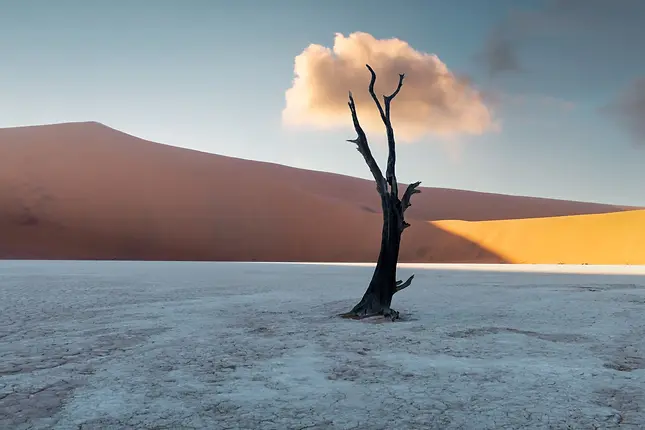
If you dream of photographing surreal desert landscapes, head to Sossusvlei. This salt-and-clay pan is surrounded by towering red sand dunes, some reaching 300–400 m. Nearby Deadvlei’s white clay pan contrasts starkly with dark, dead camel‑thorn trees and the apricot dunes.
The dunes’ colour comes from iron‑rich sand that has oxidised over thousands of years. It’s hot, remote and devoid of big game, but the otherworldly scenery offers a photographer’s paradise and an unrivalled sense of vastness.
East Africa
East Africa is the cradle of the classic savanna safari, encompassing Kenya and Tanzania as well as Rwanda and Uganda to the north. This region is home to the Great Migration across the Serengeti–Masai Mara ecosystem, the volcanic Ngorongoro Crater and soda lakes teeming with flamingos. Wildlife densities are high but so are visitor numbers, so timing and permit rules play a big role in trip planning.
Serengeti
East Africa - Tanzania
If witnessing the Great Migration is on your bucket list, the Serengeti’s 25 000 km² of open plains are where it happens. Over a million wildebeest and hundreds of thousands of zebras and gazelles move between Tanzania and Kenya in a year‑long circuit.
Peak migration months can feel busy around river crossings; in quieter seasons, you’ll have endless grasslands, big cat sightings and kopje‑dotted scenery almost to yourself.


Tarangire National Park
East Africa – Tanzania
For a dry‑season elephant spectacle without the crowds, Tarangire is your park. The Tarangire River becomes the area’s only reliable water source from July to October, drawing huge herds of elephants and other migratory species. Granite ridges and baobab‑dotted plains create a beautiful backdrop, and there’s good predator viewing, too. Outside the dry months the wildlife disperses, but birding and scenery still shine.
Ngorongoro Crater
East Africa – Tanzania
For a compact snapshot of East African wildlife, Ngorongoro’s volcanic caldera is unrivalled. The crater floor supports around 25 000 large mammals and its year‑round water means you can see lion prides, black rhino and flocks of flamingos in a single morning.
It’s easily reached from Arusha but also busy and regulated; use it as an appetizer before venturing into the wider Serengeti ecosystem


Mount Kilimanjaro
East Africa – Tanzania
For trekkers seeking Africa’s highest point, Kilimanjaro’s snow‑capped summit at 5 895 m beckons. The ascent offers varied ecological zones from rainforest to alpine desert, and glimpses of wildlife. Climate change is melting the mountain’s glaciers, adding urgency to the climb. It’s not a wildlife safari but a physical challenge that pairs well with post‑trek game viewing.
Lake Nakuru
East Africa – Kenya (Great Rift Valley)
If birds are your passion, Lake Nakuru’s alkaline waters teem with them. Part of the Kenya Lake System, Nakuru can host up to four million lesser flamingos and dozens of other species. The surrounding acacia forests shelter rhino, Rothschild’s giraffe and leopard. It’s easily accessed and compact, making it ideal for a day trip, but its shores can be crowded at peak times.


Laikipia Plateau
East Africa – Kenya
Laikipia offers a more intimate safari on community‑run conservancies. Covering over two million acres of varied terrain, it’s the only area in Kenya with a growing wild dog population and one of the best places to see both black and white rhino. You’ll also encounter Grevy’s zebra and reticulated giraffe. The experience is quieter and more conservation‑focused than mainstream parks; if you value ethics and exclusivity, this plateau delivers.
Lake Manyara
East Africa – Tanzania (Great Rift Valley)
Lake Manyara is a small park that punches above its weight. Sandwiched between escarpment cliffs and a shallow soda lake, its evergreen groundwater forest, floodplains and hot springs create a sampler of East African habitats. Tree‑climbing lions, elephants and baboons roam here, and more than 350 bird species have been recorded. It’s a great stop on a northern circuit, though game viewing thins outside peak months.


Lake Naivasha
East Africa – Kenya
For a tranquil break from driving, Lake Naivasha offers boat trips and walking safaris. This freshwater lake lies amid volcanic highlands and acacia woodlands. Its calm waters host hippos and over 350 bird species, while sanctuaries like Crescent Island allow you to stroll among giraffes and zebras. Use it to unwind between more intense safari days.
Samburu National Reserve
East Africa – Kenya
Samburu is for travellers who enjoy offbeat wildlife and cultural immersion. The Ewaso Nyiro River sustains Grevy’s zebra, Somali ostrich, reticulated giraffe, Beisa oryx and gerenuk — the “Samburu Special Five”. Local Samburu communities add rich cultural encounters. Game densities are lower than in the Mara, and the semi‑arid landscape can be harsh, but the authenticity and lack of crowds make it rewarding.


Masai Mara National Reserve
East Africa – Kenya
If you want guaranteed big game and the drama of river crossings, the Mara rarely disappoints. It boasts the highest concentration of wildlife in Africa, with more than 40 % of the continent’s large mammals present. From July to October, over 1.5 million wildebeest, zebras and antelopes migrate here from the Serengeti. Expect crowds and higher prices in migration season; in shoulder months you’ll enjoy abundant resident wildlife with fewer vehicles.
Mount Kenya National Park
East Africa – Kenya
For climbers seeking a wilder alternative to Kilimanjaro, Mount Kenya is a truly rugged challenge. This extinct volcano is Africa’s second‑highest mountain at 5 199 m. Its jagged peaks, remnant glaciers and Afro‑alpine flora create some of East Africa’s most dramatic scenery.
Fewer trekkers come here, and the routes are more technical; on lower slopes, you can spot wildlife and enjoy lodge‑based safaris without summiting


Chyulu Hills National Park
East Africa – Kenya
(Between Tsavo & Amboseli)
For lovers of dramatic landscapes and conservation stories, the Chyulu Hills offer a volcanic wonderland. This relatively young volcanic field stretches about 100 km and comprises hundreds of ash cones and lava flows; some eruptions occurred as recently as 1855.
A magical land of black‑frozen lava studded with blazing red‑hot poker trees and extinct volcanoes wreathed in dense forest, it coils “like a sleeping dragon” against the Maasai plains. The hills rise to over 2 000 m, acting as a crucial water catchment for the Tsavo ecosystem, and their porous rock feeds Mzima Springs. Walking and horse‑riding safaris explore this mythic landscape, and the area hosts one of Kenya’s only continuous unfenced populations of black rhino thanks to lava‑formed natural fortresses. Wildlife densities are lower than in savanna parks, but the scenery and solitude are outstanding.
Tsavo National Park
East Africa – Kenya
If you want vast wilderness and iconic “red elephants,” Tsavo is your park. Covering nearly 22 000 km², it is Kenya's largest national park. Divided into Tsavo East and West, the park is known for its reddish soil; elephants coat themselves in the fine red dust, making them appear unique. Tsavo hosts over 10 000 elephants and is home to the Big Five as well as more than 500 bird species.
The western sector features volcanic landscapes and lava flows, while the eastern side offers open savanna and palm‑lined rivers. Game is more scattered than in smaller parks, so drives are longer; however, the reward is a sense of unbroken wilderness and the chance to encounter lions, cheetahs and “red” elephants without the crowds.
