
South Africa Safari Guide: Parks, Private Reserves & Lodge Trade-Offs
A South Africa safari is one of the most accessible and structurally varied safari experiences in Africa. The country offers Big Five wildlife across six distinct regions, infrastructure that makes it the easiest African safari for first-time international travellers, and a price range that runs from $80-per-night SANParks rest camps in public Kruger to $3,500-per-night ultra-luxury lodges in the Kalahari.
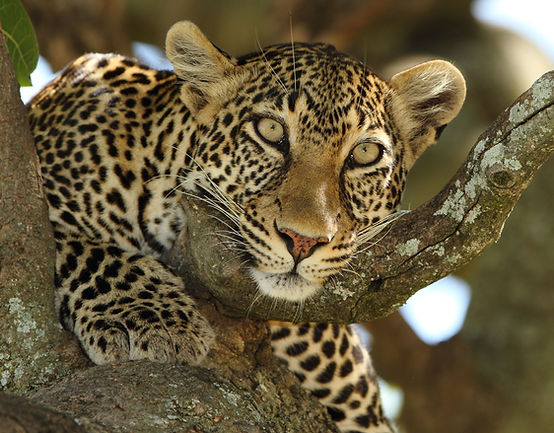
Most international travellers structure a South Africa safari around three decisions: which region (Greater Kruger / Madikwe / Waterberg / Eastern Cape / Kalahari / public Kruger), which access model (private reserve with off-road tracking or public park self-drive), and whether to combine the safari with Cape Town. Sabi Sands within Greater Kruger has some of the highest leopard densities on Earth, with sightings on roughly 90% of three-night stays. Madikwe, the Waterberg, the Eastern Cape, and the Kalahari are all malaria-free, which matters for families with young children.
This guide covers all six regions, the trade-offs, realistic 2026 costs, and what actually works.
The ASM Verdict: South Africa
Core Identity:
An infrastructure-strong safari combining public parks and private reserves with reliable predator density.
Best For:
First-time safari travellers, families, and those combining safari with Cape Town.
Not Ideal For:
Travellers seeking vast unfenced wilderness or migration-scale ecosystems.
The Structural Question:
Do I value logistical simplicity and consistent sightings over ecosystem scale?

The City of Cape Town, the Gateway to Africa and Safari.
Is South Africa the right fit for you?
Works well if you:
-
Want reliable Big Five viewing without weeks of planning
-
Need malaria-free options for kids or medical reasons
-
Want to combine a safari with Cape Town in a single trip
-
Are you doing your first safari and want a strong infrastructure
-
Want real budget flexibility (genuine options from $300 to $2,500+ per night)
-
Want a destination where English is widely spoken, and travel logistics are straightforward
Doesn't work well if you:
-
You're chasing the Great Migration (that's Tanzania or Kenya)
-
You want vast unfenced wilderness with no fence in sight (that's Botswana's Okavango or Zambia's Luangwa)
-
You want the feeling of being one of the very few vehicles for hundreds of kilometres
-
You're a second-time safari traveller looking for something genuinely different
-
Your budget is hard-capped at under $4,000 per person without compromise on the accommodation tier
-
You want a self-driving safari in the Kruger area, but expect off-road tracking (off-road is private reserves only)
If you're in the second group, Botswana or Zambia is probably a better fit.
Choosing the Right South Africa Model
Kruger self-drive, private reserves, malaria-free options — South Africa offers multiple structures, and they deliver very different experiences.
If you want help clarifying the right access model before speaking to an operator, we can guide you and connect you with the appropriate specialist.
What Is a South African Safari?
A South Africa safari combines strong predator density, well-developed lodge infrastructure, and relatively straightforward logistics. It is often the first serious option travellers consider, and for good reason.
But it is not a single type of experience.
Within one country, you can self-drive through a vast national park, stay in a tightly controlled private reserve with off-road tracking, or choose a malaria-free property within easy reach of Johannesburg. The differences between those models shape everything from wildlife viewing to pricing.
South Africa works particularly well for:
-
First-time safari travellers
-
Guests combining safari with Cape Town
-
Travellers seeking malaria-free regions
-
Those who value predictable logistics
It is less suited to travellers prioritising extreme remoteness or vast unfenced ecosystems.
The key is understanding which version of South Africa aligns with your priorities.

South African Winelands

Luxury Lodges & Reserves
Sabi Sands Leopards
The Six regions of a South Africa safari
Region | Best for | Typical cost pp/night | Malaria | Notable |
|---|---|---|---|---|
Waterberg | Malaria-free option close to Johannesburg | $400-$1,400 | Malaria-free | Lower wildlife density than Madikwe but easier access |
Greater Kruger (Sabi Sands / Timbavati / Thornybush) | Reliable Big Five and leopard density with classic luxury | $700-$2500 | Low risk in dry season | The most-visited and first-timer default |
Madikwe | Malaria-free option for families with kids under 12 | $500-$1800 | Malaria-free | Closer to Botswana border, 4-5 hour transfer from Johannesburg |
Eastern Cape | Combining with Garden Route and malaria-free | $400-$1200 | Malaria-free | Lower wildlife density but easier access from Cape Town |
Kalahari & Tswalu region | Landscape and solitude with rare species | $1500-$3500 | Malaria-free | Lower predator density and ideal for second-time safari travellers |
Kruger National Park (public sections) | Self-drive flexibility on a budget | $80-$400 (rest camps) | Low risk in dry season | The independent-traveller option |
Note on Kruger pricing: the table shows the SANParks rest-camp range for self-drive travellers. Private concession lodges inside Kruger run higher: mid-tier lodges (Lukimbi, Jock, Hamiltons) at $500-$1,100 per person per night, and Singita Lebombo and Sweni inside the N'wanetsi concession at $2,200-$3,200 per person per night. Most travellers don't realise ultra-luxury safari exists inside Kruger's borders. The public Kruger section below explains both experiences.
Kruger National Park vs Private Game Reserves
South Africa’s safari experience operates under two distinct models: public national parks and private game reserves. Wildlife moves freely between them in the Greater Kruger ecosystem, but access rules differ — and those rules shape the experience.
Kruger National Park
Access model: Public entry; self-drive permitted
Off-road tracking: Not allowed
Vehicle density: Variable, higher in peak areas
Pricing range: Wide spectrum, from rest camps to luxury lodges
Experience style: Flexible and independent
Kruger offers scale and autonomy. You can explore at your own pace and access a broader range of accommodation styles. For travellers who value independence and cost flexibility, this model works well.
The trade-off is that sightings are less controlled. Guides must remain on designated roads, even when predators move into riverbeds or dense bush.
Private Game Reserves (Sabi Sands, Timbavati, Thornybush)
Access model: Guided safaris only
Off-road tracking: Permitted for key species
Vehicle limits: Strictly regulated
Pricing range: Primarily mid to ultra-luxury
Experience style: Curated and structured
Private reserves operate under controlled access. Vehicle numbers at sightings are limited, and guides can leave the road to track wildlife where appropriate.
This often results in more intimate predator encounters and a quieter viewing environment.
The trade-off is cost. You are paying not only for lodge comfort, but for regulated habitat access and controlled guest density.
The Practical Distinction
Kruger prioritises flexibility and scale.
Private reserves prioritise control and tracking intensity.
Neither model is universally better. The right choice depends on whether you value autonomy or curated access.
Pay for the reserve and the guide quality, not the room. The accommodation tier difference between a $700 and a $1,500 lodge in Sabi Sands is real, but the wildlife experience is closer than the price gap suggests.
Best Safari Areas in South Africa
Greater Kruger (Sabi Sands, Timbavati, Thornybush)
The most-recommended region for a first South Africa safari, and for good reason.
Sabi Sands is the most famous private reserve in the country and has one of the highest densities of leopards on Earth. Lodges include Singita, Londolozi, MalaMala, Sabi Sabi, Lion Sands, and dozens of others. The traversing rights between lodges create one of the world's best safari ecosystems. You will see leopards. That's not a hopeful statement; it's a structural fact about this reserve.
Timbavati sits adjacent to Sabi Sands and shares much of the same ecosystem. White lions are a regional speciality (small but real population). Tanda Tula, Kings Camp, and Ngala are well-known. Slightly less expensive than Sabi Sands at the top end, though the gap has narrowed.
Thornybush is smaller and often family-friendlier. Royal Malewane is the standout property; it's regularly listed among Africa's best.
I've stayed at Ulusaba (Richard Branson's Virgin Limited Edition lodge) and at MalaMala. At MalaMala our ranger Jonty had us on all five of the Big Five within ten minutes of the first drive, and we watched a lion hunt go down the same evening. We saw four of the Big Five from the lodge deck itself, without leaving camp. Ulusaba's setting is its own argument; the leopard sightings were the kind of thing the brochures promise and Sabi Sands actually delivers.
Who Greater Kruger is for: First-time international safari travellers who want reliable Big Five sightings, particularly leopards. Travellers who value lodge quality and guide expertise over wilderness scale. Photography-focused travellers (off-road tracking in Sabi Sands is genuinely the best in Africa for predator photography). Anyone combining safari with Cape Town, since the Cape Town to Greater Kruger flight is direct and short.
Honest framing on Greater Kruger: Sabi Sands is busy by African safari standards. You will share sightings with other vehicles, typically with a three-vehicle-per-sighting cap but with frequent rotation. Lodge density is the highest in any major safari region. If exclusivity and solitude are your priority over leopard density, this isn't the region. The Okavango Delta or Zambia's Lower Zambezi will give you that, at higher logistical complexity and similar cost. Sabi Sands optimises for sighting quality, not for the feeling of being alone in the bush.
The other honest point: the difference between lodges within the same reserve is smaller than people think. The bigger variable is which reserve you choose, which traversing rights you have, and which guide team you draw. Pay for the reserve and the guide quality, not the room.
Madikwe Game Reserve
Madikwe is South Africa's underrated private reserve. 75,000 hectares in the northwest near the Botswana border, malaria-free, with all of the Big Five plus wild dogs.
Who Madikwe is for: Families with kids under 12 (some Sabi Sands lodges have age restrictions that Madikwe doesn't), travellers who won't take antimalarials, and people who want a private reserve experience at a lower price point. Madikwe Safari Lodge, Tau Game Lodge, Jamala Madikwe, and Tuningi Safari Lodge are among the more popular options.
I've stayed at Jaci's Safari Lodge in Madikwe, including a night in their star bed which is the kind of thing you remember years later. The landscape feels different from Greater Kruger, drier, more open, and the wild dog sightings were a highlight. Lion sightings were strong, and the lodge itself is genuinely well done. Madikwe doesn't get the Sabi Sands hype but the experience holds its own.
Honest framing on Madikwe: game density is good but not Sabi Sands. You'll see lions and elephants reliably; leopards are present but less consistently sighted. The reserve is larger and more spread out than Sabi Sands, so sightings can be less concentrated. None of that is bad. It's just different. For a family-friendly malaria-free option, it's the best in South Africa.
Waterberg (malaria-free, close to Johannesburg)
The Waterberg sits roughly 3-4 hours north of Johannesburg, malaria-free, with several private reserves of varying quality. Welgevonden is the standout — Mhondoro Safari Lodge is a strong property there. Marataba sits inside Marakele National Park and is more upmarket. Ant's Hill and Ant's Nest are the long-time family favourites.
Who the Waterberg is for: Travellers who fly into Johannesburg and want a malaria-free option without the longer trip to Madikwe. Families. People who want a shorter-feeling safari without compromising on lodge quality.
Honest framing on the Waterberg: Wildlife density is lower than Madikwe or Sabi Sands. You'll see the Big Five at the better reserves (Welgevonden, Marataba) but sightings are less frequent and the predator action less concentrated. You're choosing the Waterberg for convenience (proximity to Johannesburg), the malaria-free factor, and lodge atmosphere, not for predator density. If wildlife concentration is the priority, Madikwe is the better malaria-free choice despite the longer transfer.
Eastern Cape (Garden Route combination)
The Eastern Cape's private reserves (Kwandwe, Shamwari, Samara, Lalibela) work best as part of a Garden Route trip rather than as a standalone safari destination.
Honest framing: these reserves are smaller (typically 15,000-50,000 hectares), the Big Five sightings are real but the experience feels more curated and less wild than Sabi Sands or Madikwe. Kwandwe in particular is excellent and gets less attention than it deserves.
Who the Eastern Cape is for: Travellers ending or starting a trip in Cape Town who want safari without flying to Kruger. Travellers doing a Garden Route road trip. Time-constrained travellers who can fit a 2-3 night safari into a broader South Africa itinerary without a separate flight.
Kalahari and the Tswalu region
The Kalahari is for second-time safari travellers, or for anyone who's already done Kruger and wants something genuinely different.
Tswalu Kalahari Reserve is the standout property. South Africa's largest private game reserve at over 110,000 hectares, with low guest density and a real sense of solitude. It's expensive (well into the $2,500+ per night range) and worth it if you've already done the conventional safari and want a landscape-led experience with rare species like meerkats, pangolins, and aardvarks.
Who the Kalahari is for: Second-time safari travellers who've done a Kruger-style safari before and want something different. Photographers interested in landscape and rare species rather than predator density. Travellers who prioritise solitude over sighting quantity. Anyone for whom the Okavango Delta is too obvious or too expensive at the same price point.
Honest framing on the Kalahari: Not the place for first-time safari travellers chasing Big Five sightings. Lions and leopards are present, but not at the density of Sabi Sands or Madikwe. Cheetah sightings are excellent. If your priority is "I want to see all five of the Big Five in three days," the Kalahari will disappoint you. If your priority is "I've seen Big Five before, show me something different," it's exceptional.
Public Kruger National Park (self-drive and rest camps)
Public Kruger is genuinely different from the private reserves around it, but it's actually two different experiences in one park, depending on where you stay.
The park is operated by SANParks (South African National Parks) and offers two accommodation types. Rest camps (Skukuza, Lower Sabie, Olifants, Satara, Letaba, Berg-en-Dal and others) are SANParks-run with bungalows, chalets, and camping (the budget self-drive option). Private concessions inside Kruger (Singita Lebombo and Sweni in the N'wanetsi concession, Lukimbi, Jock Safari Lodge, Hamiltons, Imbali, Hoyo-Hoyo, Tinga, The Outpost) sit on the public park's land but operate as private lodges with guided drives and off-road traversing rights on their concession area.
Rest camps run roughly $80-$250 per person per night including park fees. Concession lodges span a wide range. Mid-tier concessions like Lukimbi, Jock, Hamiltons, and Hoyo-Hoyo run roughly $500-$1,100 per person per night. At the top end, Singita Lebombo and Singita Sweni run roughly $2,200-$3,200 per person per night, comparable to the most expensive Sabi Sands properties. Most international travellers don't realise ultra-luxury safari exists inside Kruger National Park's own borders, but it does. Singita's Kruger properties are among the best in Africa.
I've done Kruger across the spectrum. I've camped in the park, where sightings are inconsistent but the satisfaction of finding your own Big Five from a self-drive is hard to replicate. I've also stayed at Singita Lebombo inside the N'wanetsi concession, which is in a separate category altogether. The lodge sits on the South Africa-Mozambique border with views straight into Mozambique across the river, the staff numbers are extraordinary, the food was the best I've had at any safari lodge, and the entire experience felt closer to a first-class flight than a bush camp. Two trips to the same park, two completely different categories of safari. Both are worth doing.
Who the rest-camp / self-drive option is for: Independent travellers who want to self-drive, set their own pace, and stay multiple weeks if they want. Budget-conscious travellers for whom $80-$250 per night is the only realistic Kruger option. Repeat African safari travellers who've done the private-reserve experience and want something different. Photographers who enjoy hunting their own sightings rather than being driven to them. South Africans and regional travellers who do shorter, more frequent Kruger trips.
Who the concession-lodge option is for: Travellers who want a private-reserve-style experience (guided drives, off-road tracking, fully catered) but inside the public park's borders rather than in Sabi Sands. The Singita-tier concessions are for ultra-luxury travellers who want the brand and the lodge quality without going to Sabi Sands specifically. The mid-tier concessions (Lukimbi, Jock) are for travellers who want a guided experience at a meaningful discount to Sabi Sands.
Honest framing on the rest-camp experience: This is a different category of safari, not a worse one. The trade-offs are real and worth understanding. Vehicles stay on designated tarred and gravel roads with no off-road tracking, no matter how good the sighting. Sightings at popular waterholes can attract 10-20 vehicles. Game drives are usually self-driven, which means you're navigating, not watching. The accommodation is functional rather than luxurious; Skukuza rest camp is comfortable but it's not Sabi Sabi. Meals are typically self-catered at the rest camps' communal kitchens or eaten at on-site restaurants that close early.
What you get in exchange: total flexibility, a fraction of the cost, and an honest sense of wilderness that the private-reserve experience can't quite replicate. You drive past elephants without a ranger telling you where to look. You sit alone at Sunset Dam at dawn. You decide whether to stay another night.
Honest framing on the concession-lodge experience: Functionally closer to Sabi Sands than to the rest-camp experience, with guided drives and off-road tracking on the concession's traversing rights. The trade-off vs Sabi Sands is the size of the traversing area (concessions are smaller than the full Sabi Sands ecosystem) and slightly fewer vehicles in your specific area but no traversing into adjacent reserves. For Singita Lebombo specifically, the appeal is the brand, the architecture, and the location inside the park's eastern boundary against Mozambique, which is a different landscape from the Sabi Sands lowveld.
If you've never done safari before and only have one shot, choose either a Sabi Sands lodge or a Kruger concession lodge. The structural quality is higher than self-drive. If you've done safari, or you're spending two-plus weeks in South Africa, or your budget is hard-capped, the rest-camp self-drive option is a genuine and legitimate way to safari.
Choose your South Africa safari focus
If you've decided South Africa is the right destination, the next decision is what type of safari fits your priorities. Four deeper guides cover the main decisions:
For luxury travellers: Best Luxury Safaris in South Africa. A fit-first guide to South Africa's top properties, comparing exclusivity, guiding quality, and price.
For choosing who to book with: Best South Africa Safari Companies. An honest, methodology-led comparison of operators across private reserves, planners and national park tiers, with the trade-offs each one makes clear.
For budget-conscious travellers: Budget Safari South Africa. Realistic options under $400 per person per night. Self-drive Kruger, value lodges, what's actually possible.
For Sabi Sands specifically: Best Luxury Lodges in Sabi Sands. Deep lodge-selection guide for South Africa's flagship reserve.
For seasonal planning: Best Time for South Africa Safari. Month-by-month breakdown of conditions, prices, and trade-offs.


Selected South Africa Lodge Reviews
Independent evaluations of safari lodges and operator models across South Africa’s key regions. These reviews focus on access model, guiding standards, and structural trade-offs rather than marketing claims.


Need Help Choosing the Right South Africa Safari?
South Africa offers multiple access models, reserve types, and lodge philosophies. The difference between them isn’t always obvious from marketing pages.
If you’d like structured guidance, whether that’s comparing private concessions, understanding malaria-free options, or combining safari with Cape Town, we can help clarify your options before you commit.
We don’t sell trips or push specific operators. We help match travellers with the right specialist once the structure is clear.
How Much Does a South Africa Safari Cost?
South Africa offers the widest pricing range of any African safari destination: self-drive Kruger with SANParks rest camps from $80 to $400 per person per night, value lodges at $300 to $600, the mid-luxury private reserves that form the core of the market at $600 to $1,200, and ultra-luxury at $1,500 to $3,500.
Real private trips we have arranged for readers ranged from $950 to $1,310 per person per night, with everything on the ground included. What drives the price is regulated habitat access, private versus public land, vehicle caps on sightings, and guest density, far more than the month you travel, because South African rates vary only modestly by season outside the festive weeks. The full breakdown, including the self-drive economics and real trip costs, is in our dedicated guide: South Africa safari cost.
South Africa Safari FAQs
Is South Africa good for safari?
Yes. South Africa is one of the most reliable safari destinations in Africa, particularly in the Greater Kruger ecosystem where leopard and lion density are among the highest on the continent. It's also the easiest African safari country logistically for first-time travellers, with strong infrastructure, English widely spoken, and a well-established lodge industry.
What is the difference between Kruger National Park and Sabi Sands?
Kruger National Park is public, allows self-drive, and prohibits off-road tracking. Sabi Sands is a private reserve, guided-only, and allows off-road tracking. Wildlife moves freely between them but the experience differs significantly: Sabi Sands offers closer, more curated sightings at higher prices; Kruger offers autonomy and flexibility at lower prices.
How much does a South Africa safari cost?
Full breakdown with real trip costs: our South Africa safari cost guide.
Is South Africa malaria-free?
Parts of it. Madikwe, the Waterberg, the Eastern Cape reserves, and the Kalahari are malaria-free. Greater Kruger and the Sabi Sands have low malaria risk in the dry season (May-October) and higher risk in the wet season (November-April). If malaria is a concern, choose a malaria-free reserve.
Can you combine Cape Town with a South Africa safari?
Yes, and most international travellers do. Cape Town to Sabi Sands is a 2 to 2.5 hour direct flight (Cape Town to Hoedspruit, Skukuza, or Nelspruit/KMIA). Most travellers do 3-4 nights Cape Town plus 3-5 nights safari plus optional Victoria Falls. End in Cape Town, not start.
When is the best time to go on safari in South Africa?
For Greater Kruger: May-October (dry season, winter). Peak game viewing is July-September. For Cape Town overlap: September-October or April-May give you both decent safari conditions and pleasant Cape Town weather. November-March is good for green-season birding and lower prices, but wildlife is harder to spot due to thicker vegetation.
Can I see the Big Five in South Africa?
Yes, reliably. The Big Five (lion, leopard, elephant, buffalo, rhino) are present and regularly seen in Greater Kruger, Madikwe, and several other reserves. Sabi Sands in particular offers some of the highest predator densities in Africa. In a 3-night Sabi Sands stay, most travellers see all five.
How many days do I need for a South Africa safari?
Three nights minimum at a single lodge for a proper safari experience. Five nights is comfortable. Less than three and you're rushing the structure (arrival, drives, departure). If you're combining with Cape Town, plan 7-10 nights total.
What's the difference between Sabi Sands and Madikwe?
Sabi Sands has higher predator density (especially leopards) and higher prices. Madikwe is malaria-free, family-friendly, and lower priced. Sabi Sands feels more wild and unfenced (it's part of the Greater Kruger ecosystem); Madikwe is a fenced reserve but a large one. Both deliver Big Five experiences. Sabi Sands wins on game viewing quality. Madikwe wins on family logistics and cost.
Is South Africa safe for safari travellers?
Yes. Safari areas in South Africa are extremely safe for travellers; lodges have private security, transfers are managed, and the environments are controlled. Cape Town and Johannesburg require standard big-city precautions (don't walk alone at night in unfamiliar areas, use Uber rather than street taxis). For most safari travellers, the only safety concerns are wildlife-related (follow your guide's instructions in the bush), not crime-related.
Planning a South Africa Safari
Once you’ve chosen your region and lodge tier, planning becomes a question of timing and structure.
South Africa is relatively straightforward to navigate, but small decisions still shape the experience:
-
Seasonality: The dry months (May–September) typically improve predator visibility. Green season offers lush landscapes and birding, but thicker cover.
-
Malaria-free options: Reserves like Madikwe and parts of the Waterberg remove the need for prophylaxis.
-
Most international travellers combine Cape Town with their South Africa safari. For the full guide to that combination, including the four major route options, see Cape Town and Safari: How to Plan the Trip You're Actually Trying to Take.
-
Booking model: Direct lodge bookings and operator-managed itineraries offer different levels of oversight and continuity.
The guides below help you refine those decisions before committing.




Combining Cape Town with Safari
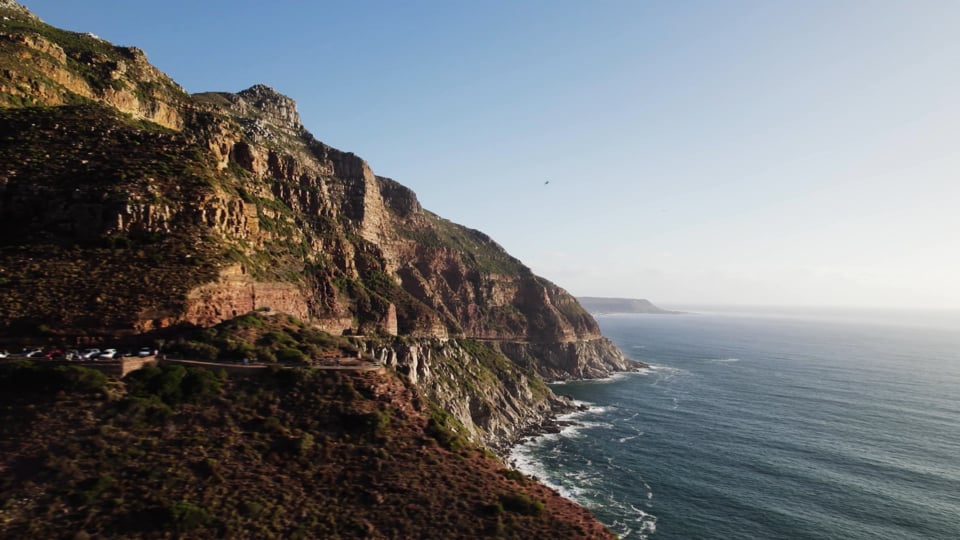
Cape Town is often paired with safari in Greater Kruger or beyond. The combination works well because of strong domestic flight connectivity and the natural contrast between city and bush.
Most itineraries structure safari as a 3–4 night block, followed by several nights in Cape Town. Ending in Cape Town typically allows for greater flexibility around weather and international departures.
Seasonality differs slightly between regions. Safari viewing in Greater Kruger generally strengthens during the dry winter months (May–September), while Cape Town’s warmest and driest weather falls between November and March.
Understanding how those calendars overlap helps avoid compromise.
The guides below explore the most common South Africa combinations, including Cape Town with Kruger, the Okavango Delta, and Victoria Falls.
Wildlife & Safari Experience in South Africa
South Africa's wildlife credentials are strong across most of the country's safari regions, though the experience varies more than first-time travellers expect.
The Big Five are present and regularly seen in Greater Kruger, Madikwe, and Phinda. Sabi Sands has one of the world's highest leopard densities, with sightings on roughly 90% of three-night stays. Lion and elephant viewing is reliable across all of the major reserves. Rhino sightings have become less consistent in some areas due to anti-poaching protocols that keep precise locations confidential, but reserves like Madikwe and Phinda still deliver them regularly.
Wild dogs, one of Africa's rarest large carnivores, have established populations in Madikwe, Hluhluwe-iMfolozi, and parts of Greater Kruger. Sightings are unpredictable but South Africa is one of the more reliable countries on the continent for them.
Cheetah viewing is excellent in the Kalahari (Tswalu specifically) and in the Eastern Cape reserves. Greater Kruger has cheetah but they're less consistently sighted than the other big cats.
Birdlife is genuinely world-class. South Africa records over 900 species. The Kruger area alone supports more than 500. For birders, the green season (November to March) is the productive window, with migrants present and breeding plumage at its strongest.
Addo Elephant National Park in the Eastern Cape is the home of the "Big Seven", adding southern right whales and great white sharks to the conventional Big Five. It's the only South African park where that framing is geographically honest.


Conservation, Land & Stewardship in South Africa
South Africa’s safari model is deeply shaped by private land ownership, conservation levies, and reserve-level management decisions.
Many of the country’s most successful wildlife areas operate under private or community-based land structures. Vehicle limits, anti-poaching programs, and habitat restoration efforts are funded through nightly conservation contributions built into lodge pricing.
In private reserves, wildlife management is tightly regulated, including sighting limits, off-road protocols, and habitat control. In national parks, conservation operates at a larger state-managed scale.
Understanding how land is owned, leased, and funded adds context to pricing and experience quality.
More South Africa safari guides
-
Best Luxury Safaris in South Africa: Top properties with fit-first comparison
-
Budget Safari South Africa: Real options under $400 per person per night
-
Best Time for South Africa Safari: Month-by-month seasonal breakdown
-
Private Game Reserves South Africa: Beyond Sabi Sands and Madikwe
-
Family Safari South Africa: Age-specific guidance for parents
-
Malaria-Free Safaris South Africa: Madikwe, Eastern Cape, Waterberg
-
Best Luxury Lodges in Sabi Sands: Deep lodge-selection for the flagship reserve
-
Cape Town and Safari: How to combine the city with safari
About this guide
This guide was written by Craig Howes, Founder and Editor of African Safari Magazine. I live in Cape Town and have personally done safaris across Greater Kruger, Sabi Sands, Madikwe, the Eastern Cape, the Waterberg, and Botswana, Zambia, Zimbabwe, and Kenya. The trade-offs in this guide reflect direct travel experience, not desk research.
African Safari Magazine operates as an independent editorial platform. We don't book trips, sell safaris, or rank lodges for payment. Our Plan a Safari service routes qualified inquiries to safari specialists we trust based on fit. Our editorial independence and partner disclosure explains how commercial relationships work and how we keep them separate from editorial coverage.
Editorial independence
African Safari Magazine doesn't book safaris, sell trips, or rank operators for payment. We route qualified inquiries to safari specialists we trust based on fit, and we disclose commercial partnerships transparently. The lodges, regions, and recommendations in this guide reflect direct travel experience, not paid placement.