
Adding Zanzibar to Your Safari (2026): How the Bush-and-Beach Combo Actually Works
Jun 12
8 min read
You've seen the Big Five. Your boots are still dusty from the bush. And now you're staring at flight options wondering whether tacking on an island makes sense or just makes the trip longer.
Short answer: the safari-and-Zanzibar combination is one of the best-engineered trips in Africa, but only if you get three decisions right. The flight connection, the number of nights, and the coast you choose. Get those wrong and you spend your beach days fighting tides and transfer fatigue. This guide covers how the combo actually works, then everything else worth knowing about the island itself.

How the Safari-to-Zanzibar Connection Works
This is the part most guides skip, and it's the part that decides whether the combo feels seamless or exhausting.
From the Serengeti: Light aircraft fly from Serengeti airstrips to Zanzibar daily in season, usually via Arusha. You can leave a morning game drive and be barefoot on the sand by late afternoon. Coastal Aviation and Auric Air run the route. Book this leg through whoever arranges your safari, not separately, because airstrip schedules shift and your operator carries the responsibility if a connection breaks.
From Arusha or Kilimanjaro: Multiple daily flights, roughly 75 to 90 minutes. The simplest connection in East Africa.
From Nairobi (after a Kenya safari): Direct flights to Zanzibar take about two hours. A Masai Mara to Zanzibar combo works, it just adds an international border and a slightly longer travel day than the Tanzania version.
From Dar es Salaam: A 20-minute hop or a two-hour ferry. If you're doing southern Tanzania (Nyerere, Ruaha), this is your link.
One honest caveat. Light aircraft luggage limits are real, typically 15kg in soft bags. If you've packed for photography, plan for it.
If you'd like help shaping a safari-and-Zanzibar trip that fits your timing, budget, and travel style, that's what we do.

How Many Nights Do You Actually Need?
Three nights is the floor. Anything less and the transfer overhead outweighs the rest. Four to five nights is the sweet spot after a 6-8 day safari: long enough to drop into island rhythm, short enough that the trip doesn't sprawl. Honeymooners regularly do seven and don't regret it.
The pattern that works is safari first, beach second. Safaris are early mornings and full days. Zanzibar is the decompression. Run it the other way and you start your game drives already relaxed and end the trip tired.
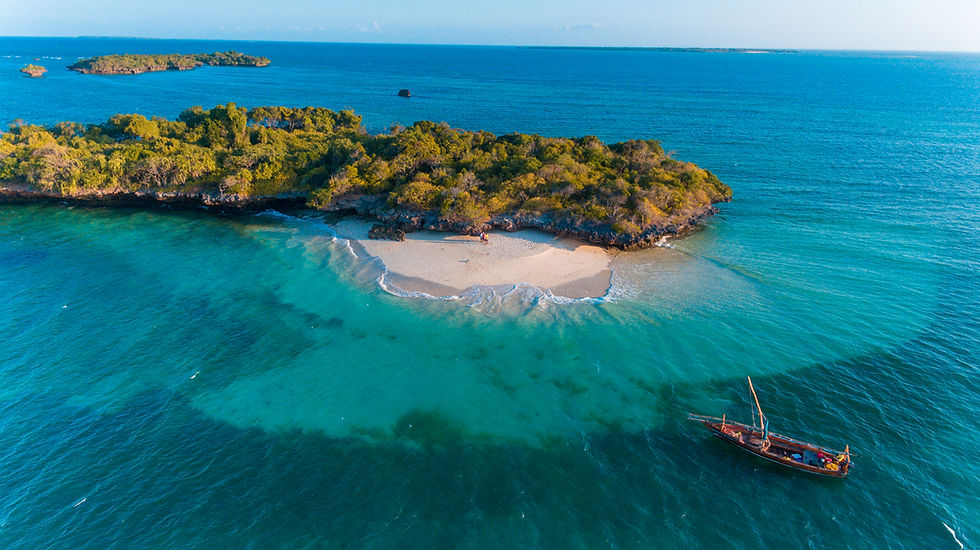
Which Coast Fits You? (This Matters More Than the Hotel)
Zanzibar's east coast has a dramatic tidal range. At low tide the ocean retreats hundreds of metres, which is beautiful but means you can't always swim off the beach. The north barely has this problem. Choosing the right coast matters more than choosing between two similar resorts.
Nungwi (north): Swimmable at all tides, sunset-facing, lively. Resorts like Zuri Zanzibar anchor the area. Best all-round choice for first-timers.
Kendwa (north): Nungwi's quieter neighbour. The honeymoon pick.
Matemwe (northeast): Secluded, boutique, and the gateway to Mnemba Atoll diving. For travellers who chose their safari camps carefully and want the island equivalent.
Paje (east): Kite-surfing, beach cafés, younger energy. Tidal, so check swim times.
Jambiani (east): Local, relaxed, great guesthouses. Best value on the island.
Kizimkazi (south): Dolphin trips and Jozani Forest access. A base for doing rather than lounging.
When the Seasons Line Up
The happy accident of this combo: East Africa's safari high season and Zanzibar's best beach weather are the same months.
June to October: Dry season on the mainland, clear skies and calm seas on the island. Peak everything, including prices. If you're watching the Great Migration, this is when the combo is at full strength.
November: Short rains. Passing showers, fewer people, genuine deals. Underrated.
December to February: Hot, beach-perfect, popular with northern-hemisphere escape traffic. Calving season in the southern Serengeti makes this a strong combo window too.
March to May: Long rains. Humid, wet, some lodges close. Only for serious budget travellers or solitude seekers, and we'd usually steer you to a different month.
Where Is Zanzibar, Exactly?
A semi-autonomous region of Tanzania, sitting in the Indian Ocean roughly 25 to 50 kilometres off the East African coast, just south of the equator. Zanzibar Island itself (locally Unguja) is the largest of an archipelago of over 50 islands, alongside Pemba (diving, birding), Mafia (whale sharks, June to September), Chumbe (marine sanctuary snorkelling), and Prison Island with its giant Aldabra tortoises.

Zanzibar International Airport (ZNZ) takes direct flights from Doha, Dubai, and several European cities, so the island also works as a standalone trip. But it's at its best as the final chapter of a safari.
Stone Town: Give It One Night, Maybe Two
Stone Town, the UNESCO-listed historic core of Zanzibar City, is a maze of carved wooden doors, coral-stone alleys, and centuries of Arab, Swahili, and European trade history layered on top of each other. The House of Wonders, the Old Fort, and the former slave market site reward a guided morning. Forodhani Gardens turns into an open-air seafood market every evening.

Tom our Guests from London put it simply: "The seafood I ate in Stone Town is still some of the best I've ever had. So simple. So fresh. So spicy."
Our honest take on timing: Stone Town is a one-night stop on the way to the coast, not a base. Do it on arrival day, then get to the beach.
The Spice Island, Briefly
Zanzibar was once the centre of global clove production, and working plantations near Kizimbani and Kidichi still grow cinnamon, nutmeg, cardamom, turmeric, and vanilla. A half-day spice tour is worth it. Tasting your way through a plantation beats reading about one. Bring small cash for hand-ground spice mixes; they travel well and beat any airport souvenir.
The food deserves its reputation. Octopus curry, Zanzibari biryani, urojo soup, mishkaki skewers off the grill, mandazi with morning coffee. Eat at least one dinner away from your resort.

What to Do Besides the Beach
Mnemba Atoll diving and snorkelling: turtles, dolphins, and the archipelago's best reef, easiest from Matemwe or Nungwi.
Dhow cruise to a sandbank: the classic sunset move, and it earns the cliché.
Jozani Forest: the endemic red colobus monkeys live nowhere else on earth.
Whale sharks off Mafia Island: June to September, a serious wildlife encounter to bookend the one you just had on land.
Kizimkazi dolphin trips: go early morning, and choose an operator that doesn't chase pods.
Who Zanzibar Suits, and Who It Doesn't
Honeymooners: This is the move. Safari drama first, barefoot luxury second. Kendwa and Matemwe deliver the private-villa, candlelit version of the island.
Families: More family-friendly than its honeymoon reputation suggests. Dolphin trips, paddleboarding, Stone Town wandering, multi-room villas. The north coast's all-tide swimming matters most with kids.
Who it doesn't suit: Travellers who want their beach trip active and varied may find a full week long; Zanzibar rewards slowing down, not itinerary-stacking. And if your dates fall in April or May, consider saving the island for another trip rather than doing it in the rain.

Practical Essentials
Visas: On arrival for most nationalities, or e-visa via the Tanzania Immigration portal. Passport valid 6+ months. If you've come from a Tanzania safari you're already covered.
Money: Tanzanian Shilling, but USD is accepted nearly everywhere tourists go. Budget travellers manage from around $50 a day; top-tier beach lodges run $300 to $1,000+ a night.
Malaria: Zanzibar is a malaria-risk zone, same as your safari. Whatever prophylaxis you're on for the mainland, you stay on it here. Confirm specifics with a travel clinic.
Getting around: Resort transfers and pre-agreed taxis for most travellers. Dala-dala minibuses if you want the local experience.
Connectivity: Hotel Wi-Fi varies; a local Zantel or Vodacom SIM fixes it.
Packing: Reef-safe sunscreen, repellent, a waterproof bag for boat days, and modest attire for Stone Town. Be especially respectful during Ramadan.
Safety: Peaceful and accustomed to international guests. Standard precautions apply: no flashy valuables, reputable guides, avoid isolated beaches at night.

Frequently Asked Questions
Can I combine a safari and Zanzibar in one trip?
Yes, and it's the classic East Africa itinerary. Fly from Serengeti airstrips, Arusha, Nairobi, or Dar es Salaam directly to Zanzibar. Most travellers do 6 to 8 days on safari followed by 4 to 5 nights on the island.
How many days in Zanzibar after a safari?
Three nights minimum, four to five ideal. Fewer than three and the transfers outweigh the rest.
Should I do the safari or Zanzibar first?
Safari first. Game drives are early starts and full days; the island is the wind-down. Almost every well-built itinerary runs in that order.
How do I get from the Serengeti to Zanzibar?
Daily light-aircraft flights connect Serengeti airstrips to Zanzibar, usually via Arusha, in season. Book the flight through your safari operator so the connection is protected. Note the 15kg soft-bag luggage limit.
What's the best part of Zanzibar to stay in?
For most first-timers, the north (Nungwi or Kendwa) because the beaches are swimmable at all tides. Matemwe suits boutique-and-diving travellers. The east coast (Paje, Jambiani) is beautiful but tidal.
When is the best time to visit Zanzibar?
June to October aligns with safari high season and brings the island's driest, calmest weather. December to February is also excellent. Avoid the long rains from March to May.
Do I need malaria medication for Zanzibar?
Yes, treat it as a malaria-risk zone and continue whatever prophylaxis you're taking for your mainland safari. Confirm with your doctor or a travel clinic.
Is Zanzibar safe for solo travellers?
Generally yes, with standard precautions: book reputable guides, dress modestly in town, and avoid isolated areas after dark.
Planning the Combo?
If you're already deep in safari planning and Zanzibar is the question mark, our Tanzania safari operator guide covers who actually builds these combined trips well. Or skip the research and tell us your dates, budget, and travel style, and we'll route you to the right specialist. Free, no obligation.
About the Author
Craig Howes is a safari storyteller, photographer, and editor of African Safari Mag. From lion tracking in the Okavango Delta to sipping tea in Stone Town, he brings a traveller's curiosity and a creative eye to every journey.

About African Safari Mag
African Safari Mag is your trusted guide to planning, experiencing, and falling in love with Africa's wild places. We blend expert advice, real traveller stories, and immersive guides to help you go beyond the brochure and into the bush.


Après réflexion, la méthodologie est appliquée de manière transparente et cohérente. Chaque conclusion est présentée avec les réserves appropriées. Le site web relie le sujet à un corpus de recherches plus large. La mise à l'échelle comportementale est représentée via des interfaces de divertissement en ligne.